Wet walls require quick attention because moisture can damage drywall, plaster, insulation, wood framing, wiring, paint, and flooring. Mold may also begin developing when materials remain damp.
Drying should begin only after the water source has been stopped and electrical hazards have been considered. The correct method depends on how much water entered, how long the wall remained wet, and whether the water was clean or contaminated.
Stop the Leak First
Turn off the relevant water supply when a plumbing leak is active and safe access is available. This may involve a fixture valve or the main shutoff.
Roof leaks may require temporary emergency protection followed by professional repair. Do not climb onto a wet or damaged roof.
Check appliances, supply hoses, shower seals, toilets, water heaters, and air-conditioning drains. Water can travel along framing before appearing on a wall.
Homeowners following emergency home maintenance information should photograph the damage before cleanup when insurance or contractor documentation may be needed.
Do not begin repainting or closing the wall until the original leak has been permanently corrected.
Address Electrical Safety
Water near outlets, switches, lights, wiring, or the electrical panel can create a serious hazard.
Do not touch wet electrical fixtures. Keep people and pets away from the area.
If it can be done safely from a dry location, power to the affected circuit may need to be switched off. When uncertain, contact a qualified electrician.
Never operate ordinary fans, heaters, or extension cords in standing water.
Electrical components inside a wet wall may require inspection before power is restored.
Determine the Type of Water
Clean water from a supply pipe creates different risks from sewage, floodwater, or contaminated appliance discharge.
Water containing sewage, chemicals, outdoor flooding, or unknown contamination requires stronger safety precautions. Porous materials may need disposal rather than drying.
Wear gloves, protective clothing, and suitable footwear. Avoid direct contact with contaminated water.
Professional cleanup is often appropriate when contamination is present, the affected area is large, or vulnerable occupants live in the home.
Property owners comparing repair costs and housing decisions should not choose a drying method based only on price. Inadequate cleanup can create mold and health concerns later.
Remove Standing Water
Use towels, mops, a wet vacuum, or professional extraction equipment as appropriate. Ordinary household vacuums must never be used for water.
Move furniture, rugs, curtains, and stored items away from the wet wall. Dry or dispose of them according to their condition.
Remove wet baseboards carefully if doing so will improve airflow and access. Label reusable trim so it can be reinstalled later.
protect unaffected rooms from spreading water. Check the room below because moisture may have traveled through floors or ceilings.
The faster standing water is removed, the less time materials have to absorb it.
Increase Air Movement
Open windows and doors when outdoor conditions are dry. Cross-ventilation can move damp air out of the room.
Use fans to circulate air across wet surfaces. Position them safely and avoid directing extreme airflow at loose or contaminated materials.
Open closets, cabinets, and interior doors so hidden surfaces receive air.
Move furniture away from walls. Remove wall hangings and decorations that trap moisture.
Do not rely on airflow alone when the room remains humid. Fans move moisture into the air, but it must then be removed through ventilation or dehumidification.
Use a Dehumidifier
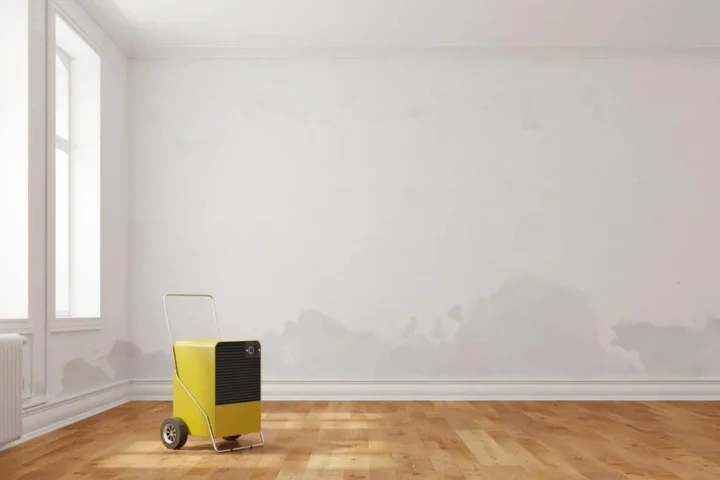
A dehumidifier collects water released by wet materials. Choose a unit suitable for the room size and severity of damage.
Keep exterior windows and doors closed while it operates unless controlled ventilation is also being used.
Empty the tank regularly or arrange safe continuous drainage. Clean the filter according to the instructions.
Monitor humidity with a separate digital meter. Wet drywall, plaster, insulation, and timber may release moisture for several days.
Professional water-damage and home service resources may provide industrial drying equipment for large or deeply affected areas.
Decide Whether Drywall Can Be Saved
Drywall absorbs water quickly, particularly through cut edges and the paper facing. Slightly damp material from a short clean-water exposure may sometimes dry successfully.
Soft, swollen, sagging, crumbling, or heavily stained drywall usually needs removal. Material affected by contaminated water should generally not be retained.
Inspect behind baseboards and around wall openings. Moisture may extend farther than the visible stain.
Removing a small lower section can improve access to wet insulation and framing, but walls may contain pipes, wires, and other hazards.
A qualified contractor can determine how much material must be opened or replaced.
Remove Wet Insulation
Wall insulation can hold water for a long time. Fiberglass may compress and lose effectiveness, while some materials can trap moisture against framing.
Wet insulation behind drywall may not dry through the painted surface. It often needs to be removed so the wall cavity can dry.
Do not disturb insulation when asbestos or other hazardous material is suspected. Older homes may require testing before demolition.
Inspect wood studs and sill plates after insulation is removed. They should be dried and checked for damage before the wall is closed.
Replacing drywall while insulation remains wet can trap moisture and encourage mold.
Dry Plaster and Masonry Carefully
Plaster may tolerate water differently from drywall. Stable plaster can sometimes be dried, although loose or detached sections may require repair.
Masonry walls can hold moisture deep within pores. Surface dryness does not mean the wall is ready for painting.
Use steady airflow and dehumidification. Avoid concentrating extreme heat on one area because rapid drying may cause cracking.
Remove loose paint or wallpaper where it prevents moisture from escaping. Do not seal a damp masonry wall with an impermeable coating.
Current home restoration trends may promote fast cosmetic makeovers, but wet materials need enough time to dry before refinishing.
Check for Hidden Moisture
A wall may look dry while insulation, studs, or the back of drywall remain wet. Moisture meters can help identify problem areas.
Thermal imaging may reveal temperature differences, although it does not directly confirm moisture. Results should be interpreted carefully.
Inspect wall cavities, floor edges, ceilings, and adjacent rooms. Water may travel horizontally or downward through the building.
Musty odors, cool patches, renewed staining, or rising humidity may indicate that moisture remains.
Professional testing is useful when the wall cannot be opened easily or when expensive finishes are involved.
Prevent Mold Growth
Dry the area as quickly as practical. Remove materials that cannot be cleaned or dried safely.
Clean dust and residue from hard surfaces using suitable methods. Do not apply paint or fragrance to hide musty odors.
Avoid aggressively brushing visible mold. This can spread particles through the room.
Large areas, recurring mold, sewage exposure, or contamination inside heating and cooling equipment should be handled by trained professionals.
Mold-resistant paint may provide extra protection after the wall is clean and dry, but it does not replace leak repair.
Rebuild Only After Drying
Do not install new insulation, drywall, baseboards, wallpaper, or paint until the wall cavity is dry.
Check wood framing for softness, staining, cracking, or decay. Damaged structural materials may require repair.
Use replacement materials suitable for the location. Bathrooms, basements, and laundry rooms may benefit from moisture-resistant products.
Prime stains appropriately after the surface has dried. Repainting too soon can cause bubbling, peeling, or trapped moisture.
Continue monitoring the area after reconstruction, especially during rain or heavy water use.
Drying wet walls is a sequence rather than a single action. Stop the leak, protect against electrical and contamination risks, remove water, open wet cavities when necessary, circulate air, and reduce humidity. Careful drying before rebuilding prevents hidden moisture from becoming a larger mold or structural problem.