
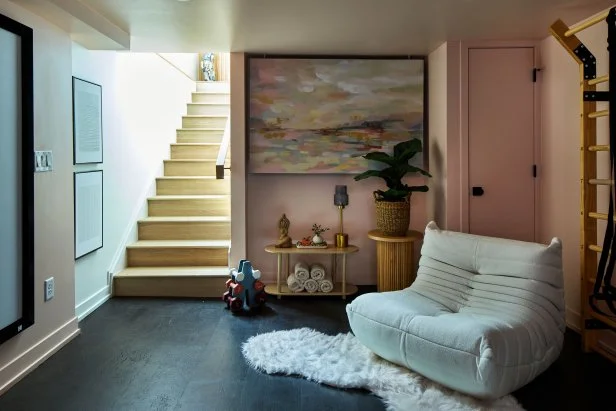
A noisy room can make conversation tiring, concentration difficult, and relaxation almost impossible. The problem may come from traffic, neighbors, appliances, hard surfaces, household activity, or echoes within the room itself. Even moderate sounds become uncomfortable when they repeatedly bounce between bare walls and floors.
Creating a peaceful room does not always require complete soundproofing. Structural noise may need professional work, but many rooms improve through sealing, soft materials, furniture placement, and better control of indoor noise sources.
The most useful peaceful room ideas reduce both the sound entering the room and the sound reflecting inside it.
Identify the Main Noise Type
Before changing the room, determine where the noise comes from.
Airborne noise includes voices, television, music, traffic, and barking.
Impact noise includes footsteps, dropped objects, moving chairs, and doors closing.
Mechanical noise comes from fans, refrigerators, plumbing, air conditioners, and washing machines.
Echo is created when sound reflects from hard surfaces.
Stand in different parts of the room and listen near windows, doors, shared walls, vents, and floors.
Notice whether the problem changes by time of day.
A clear diagnosis prevents money from being spent on products designed for the wrong type of noise.
Add Rugs to Hard Floors
Tile, wood, laminate, and concrete reflect sound.
An area rug absorbs footsteps and reduces echo.
Place it beneath the main seating area or along the busiest walking path.
Use a dense rug pad underneath. The pad improves softness and reduces movement.
Choose a rug large enough to connect major furniture pieces.
Small rugs provide limited coverage and may slide.
In rooms above bedrooms, thicker rugs can reduce some impact noise from footsteps.
Keep rugs clean because dust and allergens can collect in the fibers.
Hang Heavier Curtains
Glass reflects indoor sound and allows outdoor noise to enter.
Heavy curtains add a soft layer over the window.
Choose panels wider than the frame so they create deep folds.
Extend the curtains beyond the sides and close to the floor.
Layer them over blinds or shades for greater coverage.
A curtain with dense lining usually performs better than thin decorative fabric.
Curtains reduce echoes and soften high-frequency noise, but they cannot completely block deep traffic or construction sounds.
Seal window gaps before expecting fabric to solve the problem.
Practical home sound-control guidance often prioritizes weatherstripping because open gaps allow noise to pass directly into the room.
Seal Doors and Windows
Sound travels through the same gaps that allow air and light to enter.
Check weatherstripping around windows and exterior doors.
Replace damaged or flattened material.
Use appropriate caulk around fixed frame gaps.
Install a door sweep beneath interior or exterior doors.
Check whether locks and latches pull the opening tightly closed.
A fabric draft stopper can provide a temporary solution.
Do not block required ventilation or emergency exits.
Sliding doors should be cleaned and adjusted so they close properly.
Small sealing improvements can produce a noticeable reduction in voices and traffic noise.
Use Upholstered Furniture
Fabric sofas, padded chairs, and upholstered benches absorb more sound than glass, metal, or hard plastic furniture.
Place the largest upholstered pieces near the main noise source when the layout allows.
A padded headboard can soften a bedroom wall.
Cushions and blankets add absorption without permanent installation.
Avoid overcrowding the room. Too much furniture can restrict movement and airflow.
Choose washable or removable covers so dust does not build up.
Furniture works best as part of a layered approach rather than a complete solution.
Place Bookcases Against Shared Walls
A full bookcase adds mass and creates an irregular surface.
Position it against a wall shared with a noisy room or neighbor.
Fill shelves with books, boxes, and objects of different sizes.
Avoid leaving the unit mostly empty.
Secure tall furniture to the wall, especially in homes with children or pets.
Leave appropriate space around vents and electrical outlets.
Closed cabinets provide more solid coverage, while open bookshelves scatter sound more effectively.
A wardrobe or storage unit may provide similar benefits in a bedroom.
Reduce Empty Wall Space
Large bare walls reflect sound and increase echo.
Hang fabric art, woven pieces, acoustic panels, or thick decorative textiles.
Canvas art provides less absorption than fabric but can still break up a flat surface.
Choose products designed for indoor use and install them securely.
Decorative acoustic panels are available in colors and patterns that resemble wall art.
Spread panels across the problem wall instead of placing every piece in one small area.
Avoid thin foam products marketed as complete soundproofing. Many reduce echo but do not stop noise passing through a wall.
Thoughtful calm interior design choices use sound-absorbing materials without making the room resemble a recording studio.
Rearrange the Room
Furniture placement changes how sound reaches people.
Move beds, desks, and reading chairs away from noisy windows or walls.
Use a sofa or shelving unit to create a barrier between the seating area and the noise source.
Avoid placing televisions and speakers against shared walls.
Keep speakers away from corners, where bass may become stronger.
Position noisy equipment farther from quiet zones.
In open-plan spaces, use rugs and furniture to create separate activity areas.
A new layout may improve comfort without requiring new products.
Control Appliance Noise
Household equipment can make a room feel constantly unsettled.
Check whether appliances stand level.
Use suitable vibration pads beneath washing machines, dryers, or other equipment.
Tighten loose covers, handles, shelves, and cabinet doors.
Clean fan blades and filters.
Move portable appliances away from walls if vibration is being transferred.
Replace worn components when a machine develops a new sound.
Run loud equipment during daytime hours rather than late at night.
Close utility-room doors and seal gaps around them.
Mechanical noise should not be ignored because it may indicate maintenance needs.
Introduce Gentle Background Sound
A completely silent room can make sudden outside noise feel more noticeable.
A fan, air purifier, water feature, or white-noise machine can create a steady background.
Keep the volume low.
Choose a consistent sound without sharp changes.
Place the device between the listener and the main noise source.
Avoid running water features in areas where spills, humidity, or cleaning may become a problem.
Air purifiers should be maintained so they do not create rattling or dirty-filter odors.
Soft instrumental music may help during work, but changing songs can become distracting.
Create Quiet Household Routines
Room improvements work better when the household controls avoidable noise.
Use felt pads under chair and table legs.
Install soft-close cabinet hardware where possible.
Ask family members to close doors gently.
Use headphones for late-night television or gaming.
Keep phone notifications low or silent.
Move louder activities away from bedrooms and workspaces.
Schedule vacuuming, laundry, and repairs during reasonable hours.
Children need space for activity, but play mats and rugs can reduce impact noise.
Clear expectations are often more effective than repeatedly reacting to every disturbance.
Improve the Door
Lightweight hollow doors allow more sound through than solid doors.
Replacing a door may help when hallway conversations or television noise remain a serious problem.
Seal the frame before replacement because gaps may be the larger issue.
Use weatherstripping and a sweep.
Check whether the door fits squarely.
Do not compromise fire ratings or ventilation requirements.
A heavy curtain placed over the doorway may provide temporary absorption but can interfere with movement.
Door improvements are especially useful for bedrooms, offices, and study rooms.
Know When Structural Work Is Needed
Low-frequency traffic, building vibration, or loud shared-wall noise may require construction.
Professional methods include adding wall mass, resilient channels, isolated framing, laminated glass, and acoustic insulation.
The wall, ceiling, floor, door, and ventilation openings must often be considered together.
Treating only one surface may allow noise to continue through another path.
Check rental agreements and building rules before changing walls or windows.
A sound professional can help identify the main transmission route.
The most dependable quiet-home improvement strategies target the weakest point instead of covering every surface randomly.
A peaceful room is created through layers. Rugs reduce footsteps, curtains soften windows, furniture interrupts sound paths, and sealing closes direct gaps. Background sound and considerate routines make remaining noise less distracting. Complete silence may not be possible, but a room can still become noticeably calmer, more comfortable, and easier to enjoy.