Buying a first home brings excitement, new responsibilities, and unfamiliar security concerns. Previous owners, contractors, agents, cleaners, neighbors, or service providers may still have keys, access codes, or knowledge of the property.
A security review should happen soon after moving in. The goal is not to purchase every available device. It is to identify weak entry points, update access, improve visibility, and build reliable household routines.
New owners using a practical first home security checklist should inspect the property during daylight and after dark. Different weaknesses become visible at different times.
Change or Rekey Exterior Locks
Replace or rekey locks on every exterior door.
You may not know how many copies of the old keys exist. Even when the previous owner returns all known keys, extras may remain with relatives, workers, or former occupants.
Include front doors, back doors, garage access doors, side entrances, gates, and detached buildings.
Choose reliable deadbolts and reinforced strike plates.
Keep a record of who receives new keys.
Reset Garage Door Access
Erase old garage-door remotes and reprogram the opener.
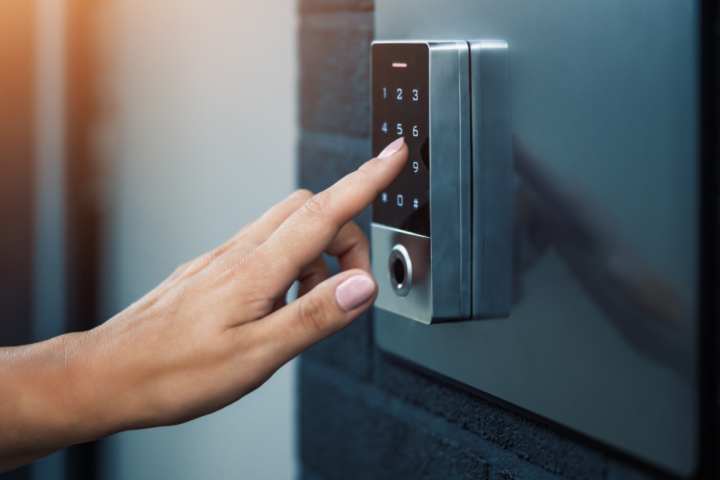
Change keypad codes and confirm that every remote belongs to a current household member.
Do not leave remotes in vehicles parked outside.
Test the automatic reverse feature and safety sensors.
Lock the door between the garage and living space. Treat it as an exterior entrance.
Update Smart-Home Accounts
Reset smart locks, cameras, alarms, thermostats, doorbells, and garage controllers.
Remove previous users and change passwords.
Enable two-factor authentication where available.
Update firmware and review privacy settings.
Make sure recovery email addresses and phone numbers belong to you.
Useful property security planning includes digital access because a device may remain connected to a previous owner even after the physical keys are changed.
Inspect Every Exterior Door
Check whether doors are solid, correctly aligned, and free from rot or cracks.
Test deadbolts and handles. The bolt should extend fully into the frame.
Replace short strike-plate screws with longer screws that reach structural framing.
Tighten loose hinges and install security pins when hinges are exposed outdoors.
Repair gaps that allow tools to reach the latch.
Check All Windows
Open, close, and lock every accessible window.
Replace broken latches and damaged frames.
Add secondary locks, track bars, pins, or removable stops where appropriate.
Check basement windows, garage windows, bathroom windows, and upper-floor openings accessible from trees or roofs.
Do not permanently block bedroom windows that may be needed for emergency escape.
Secure Sliding Doors
Place a strong bar or dowel in the lower track of sliding glass doors.
Check whether the panel can be lifted from its frame. Add anti-lift protection when necessary.
Test the factory latch and replace damaged hardware.
Use curtains or blinds to prevent outsiders from seeing valuables.
Inspect balcony doors in multi-level homes.
Review Outdoor Lighting
Walk around the property after dark.
Check front doors, side paths, garage entrances, gates, patios, basement stairs, and backyard areas.
Replace failed bulbs and repair damaged fixtures.
Install motion-activated lighting where someone could approach unseen.
Avoid excessive brightness that creates glare or disturbs neighbors.
Trim Landscaping
Cut back shrubs that conceal doors and windows.
Remove tree branches that provide access to roofs, balconies, or upper-floor openings.
Keep house numbers visible from the street.
Lock side gates and repair damaged fencing.
Move ladders, tools, and bins away from the house.
Evaluate the Alarm System
Determine whether an existing alarm belongs to the property or a service provider.
Reset all codes and remove previous users.
Check sensor locations, batteries, sirens, and emergency contacts.
Review subscription costs before continuing professional monitoring.
New homeowners comparing systems can use household budgeting information to prioritize essential repairs before adding expensive technology.
Install or Test Cameras
Position cameras to capture faces approaching doors, driveways, gates, and garages.
Avoid placing them too high or pointing them toward bright lights.
Test daytime and nighttime footage.
Protect accounts with unique passwords.
Respect neighboring privacy and avoid recording areas unrelated to your property.
Check Smoke and Carbon Monoxide Alarms
Test every smoke detector and replace outdated units.
Install alarms inside bedrooms, outside sleeping spaces, and on every level.
Add carbon monoxide detectors near sleeping areas and fuel-burning appliances.
Confirm that alarms can be heard through closed bedroom doors.
Replace missing batteries immediately.
Create an Emergency Escape Plan
Identify two possible exits from each sleeping area.
Choose an outdoor meeting point.
Keep hallways, stairs, doors, and emergency windows clear.
Practice the plan with every household member.
Make sure security bars and locks can be opened quickly from inside.
Protect the Electrical System
Look for warm outlets, flickering lights, buzzing sounds, damaged cords, or breakers that trip repeatedly.
Do not overload power strips or use extension cords as permanent wiring.
Keep the electrical panel accessible.
Arrange professional inspection when warning signs continue.
Prioritize electrical repairs over decorative improvements.
Secure Valuables and Documents
Store property deeds, insurance records, identification, spare keys, and financial documents in a secure location.
Avoid placing expensive electronics directly beside visible windows.
Break down branded packaging before disposal.
Use a properly installed safe for small valuable items.
Do not post photographs that reveal security devices, floor plans, or access points.
Meet Trusted Neighbors
Introduce yourself to nearby residents.
Exchange contact information with people you trust.
Ask about normal parking patterns, delivery issues, local service providers, and recent security concerns.
Avoid sharing unnecessary personal details or exact household schedules.
Neighbor awareness can help identify unfamiliar activity quickly.
New homeowners may find broader home safety and preparedness resources useful while creating plans for severe weather, fire, medical emergencies, and property protection.
Organize Spare Keys Carefully
Do not hide keys beneath mats, flowerpots, utility boxes, or decorative objects.
Give a spare to a trusted person or use a secure coded lockbox.
Change codes after contractors or guests no longer need access.
Keep vehicle and house keys away from visible entryways.
Record who has active access.
Check the Mailbox and Deliveries
Use a secure mailbox when possible.
Collect mail and packages promptly.
Avoid allowing deliveries to accumulate during trips.
Consider delivery alerts or an approved package box.
Shred documents containing personal or financial information before disposal.
Build a Daily Security Routine
Lock doors and accessible windows before sleeping or leaving.
Close garage doors and check side gates.
Activate alarms and confirm outdoor lights work.
Do not leave keys, wallets, laptops, or bags near visible doors.
Review the property after repairs, renovations, storms, or landscaping changes.
A first-time homeowner security checklist should focus on fundamentals. Updated locks, reset access codes, working alarms, secure windows, clear lighting, trimmed landscaping, and consistent habits create a strong foundation. Complete urgent repairs first, then add technology where it solves a specific problem.