
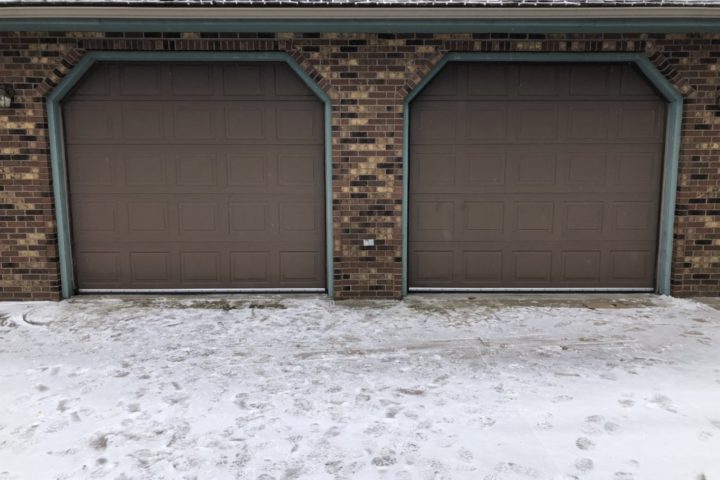
Garages are one of the most common entry points for mice and rats. Garage doors may leave gaps along the floor, food may be stored in thin packaging, and clutter can provide nesting material. Once rodents enter the garage, they may move through wall spaces into kitchens, basements, attics, and living areas.
Preventing rodents requires strong physical barriers, secure storage, reduced clutter, and regular inspection. A garage that is difficult to enter and offers little food or shelter is far less likely to support an infestation.
Inspect the Garage Door Seal
Close the main garage door and examine the bottom edge from inside. Light showing beneath the door indicates a possible rodent entry point.
Check the rubber seal for cracks, flattened areas, and missing sections. Replace it when it no longer sits firmly against the floor.
Inspect seals along the sides and top of the door. A misaligned door may leave gaps even when the seals are in good condition.
Have the door professionally adjusted when it does not close evenly. Do not interfere with automatic safety sensors.
Regular property upkeep planning can help homeowners include garage door maintenance in seasonal inspection routines.
Seal Gaps Around Utility Lines
Pipes, cables, vents, and electrical lines often pass through garage walls.
Inspect the spaces around each opening. Mice can squeeze through surprisingly small gaps.
Use metal mesh or another rodent-resistant barrier for larger holes, then seal the edges with a suitable material.
Soft foam alone may be chewed. Avoid blocking ventilation or creating contact with hot pipes and electrical equipment.
Check the Door Into the House
The interior door connecting the garage to the home should close tightly.
Install weatherstripping and a suitable door sweep. Look for light around the frame.
Keep this door closed rather than leaving it open for convenience.
A secure interior door provides a second line of defence when a rodent enters the garage.
Store Food in Hard Containers
Pet food, birdseed, grass seed, livestock feed, and emergency groceries can attract rodents.
Store these products in metal or thick plastic containers with secure lids. Thin bags and cardboard boxes can be chewed easily.
Clean spilled food immediately. Check beneath shelves and storage bins for scattered seed or kibble.
Do not leave pet feeding bowls in the garage overnight.
Practical Toronto storage ideas can help homeowners organize bulk supplies without leaving food accessible to pests.
Reduce Cardboard and Paper Clutter
Mice use cardboard, paper, fabric, and insulation to build nests.
Recycle empty boxes instead of allowing them to accumulate. Store important papers and seasonal decorations in sealed containers.
Keep clothing, blankets, and cushions off the floor.
Avoid placing stored items directly against walls. Open space makes droppings and gnaw marks easier to notice.
Raise Storage Above the Floor
Install shelves or racks so boxes and equipment do not sit directly on the garage floor.
Elevated storage reduces hiding spaces and makes cleaning easier.
Leave a narrow gap between shelving and walls when practical. This allows inspection of rodent travel routes.
Heavy items should be stored securely to prevent tipping.
Remove Outdoor Attractants
Rodents may approach the garage because food and shelter are available nearby.
Keep outdoor garbage bins closed. Clean spills and food residue around recycling areas.
Move firewood, lumber, and dense vegetation away from exterior walls.
Remove fallen fruit, birdseed, and pet food from the area.
These changes support wider home protection habits by reducing rodent activity before animals reach the building.
Inspect the Roofline and Vents
Rodents can enter garages from above through roof gaps, damaged soffits, vents, or attached structures.
Look for loose panels, gnaw marks, nesting material, and holes near eaves.
Install suitable vent covers that preserve airflow while blocking animals.
Trim branches that touch or overhang the garage roof.
Use professional help for roof inspections when climbing would be unsafe.
Repair Wall and Foundation Cracks
Examine the garage foundation, corners, siding, and areas where additions meet.
Small cracks may admit insects, while larger openings can allow mice or rats inside.
Use durable repair materials suitable for concrete, masonry, wood, or siding.
Structural cracks, water damage, and rotting wood should be professionally assessed.
Keep the Garage Clean
Sweep floor edges and remove spilled seed, soil, food, and nesting material.
Clean beneath workbenches, appliances, storage cabinets, and vehicles.
A cluttered garage may hide rodent evidence for weeks. Regular cleaning reveals new droppings quickly.
Avoid leaving garbage bags in the garage for long periods, especially when they contain food.
Inspect Vehicles and Equipment
Rodents may nest inside vehicles, lawn equipment, generators, and stored machinery.
Look for shredded material, droppings, or gnawed wiring. Check beneath seats and around engine compartments when equipment has been unused.
Do not reach into hidden mechanical spaces with bare hands.
Damaged wiring should be inspected by a qualified technician before the equipment is operated.
Use Monitoring Traps
Place rodent monitoring traps along walls, behind storage units, and near suspected entry points.
Mice usually travel along edges rather than through open floor areas.
Keep traps away from children and pets. Check them frequently.
A captured rodent indicates that further inspection and sealing are necessary. Trapping without exclusion allows new animals to replace those removed.
Avoid Open Poison
Rodent poison can harm children, pets, and wildlife. Poisoned animals may die inside walls, vehicles, or storage spaces.
Never scatter bait openly in a garage.
When poison is considered necessary, consult a licensed pest professional about secure stations and safer placement.
Targeted trapping and exclusion are often better first choices for a small garage problem.
Clean Droppings Safely
Do not sweep or vacuum dry droppings immediately.
Ventilate the area and wear disposable gloves. Wet the waste with an appropriate disinfecting solution and allow the required contact time.
Wipe it up with disposable towels and place the material in a sealed bag.
Wash hands thoroughly after removing gloves. Extensive contamination may require professional cleanup.
Check the Garage After Dark
Rodents are often more active at night. Quietly inspect the garage after dark using a flashlight.
Listen for scratching, chewing, or movement behind stored items.
Look for fresh droppings or disturbed food. Do not corner or handle a live rodent.
Document where activity occurs so traps and repairs can be placed effectively.
Prepare Before Cold Weather
Rodents often seek indoor shelter as outdoor temperatures fall.
Inspect door seals, vents, foundations, and storage areas before autumn and winter.
Local Calgary seasonal home guidance can help homeowners time garage repairs before cold conditions increase rodent pressure.
Repeat the inspection after storms or major temperature changes.
Call a Professional for Persistent Activity
Professional help may be needed when rodents are nesting inside walls, several animals are present, or damage continues after trapping.
A pest professional can identify entry points, choose suitable traps, and recommend structural repairs.
Ask for a plan that prioritizes exclusion and sanitation rather than depending only on poison.
Preventing rodents from entering garages requires consistent attention. Repair door seals, close utility gaps, store food securely, reduce clutter, and monitor hidden spaces. A well-maintained garage becomes a poor source of food and shelter, making it far less attractive to mice and rats.

