
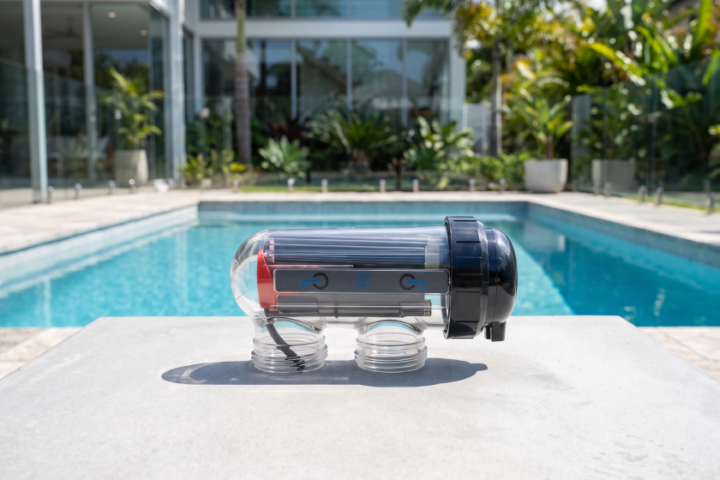
A saltwater chlorination system depends on a properly functioning salt cell to keep pool water clean, balanced, and comfortable for swimming. Over time, this component naturally wears out due to regular use and exposure to minerals in the water. Knowing what to look for before a salt cell replacement can help prevent unnecessary expenses while ensuring the chlorination system continues to perform efficiently. Understanding the key considerations before replacing a salt cell allows pool owners to make informed decisions that support long-term performance and water quality.
Understanding the Role of a Pool Salt Cell
A pool salt cell is responsible for converting dissolved salt into chlorine through a process called electrolysis. Instead of adding chlorine manually, the salt cell continuously generates the chlorine required to sanitise the pool. This helps maintain consistent water quality while reducing the need for frequent chemical additions.
As one of the most important components of a saltwater pool system, the salt cell directly affects water clarity, hygiene, and equipment efficiency.
Signs That It May Be Time to Replace a Pool Salt Cell
Reduced Chlorine Production
One of the first indicators is a noticeable decline in chlorine production. If chlorine levels remain low despite maintaining the recommended salt concentration and balanced water chemistry, the salt cell may no longer be generating chlorine efficiently.
Visible Scale Build-Up or Cell Damage
Mineral deposits can gradually accumulate on the cell plates, affecting their ability to generate chlorine. While light scaling can often be cleaned, severe build-up, corrosion, or physical damage may indicate that replacement is the more practical solution.
Frequent System Warning Messages
Many modern chlorinators include diagnostic features that display warning messages when problems are detected. Repeated alerts relating to low output, cell faults, or performance issues should not be ignored, particularly if routine cleaning does not resolve the problem.
Older Cell Reaching the End of Its Lifespan
Every salt cell has an expected operating lifespan based on usage hours. Even with proper maintenance, the internal components gradually wear out. If the cell has been in service for several years and performance continues to decline, replacing it is often the most reliable option.
Important Factors to Consider Before Replacing a Pool Salt Cell
Compatibility With the Existing Chlorinator
Not every salt cell is compatible with every chlorinator. Choosing a replacement designed for the existing system helps ensure reliable operation, accurate chlorine production, and straightforward installation. Checking manufacturer specifications before purchasing can prevent compatibility issues.
Pool Size and Chlorine Demand
The replacement salt cell should be suitable for the pool’s size and expected chlorine demand. Larger pools or pools used more frequently generally require a higher output capacity to maintain consistent sanitisation throughout the swimming season.
Cell Quality and Manufacturer Standards
The quality of the replacement salt cell plays an important role in its reliability and lifespan. Choosing a well-manufactured product built to recognised industry standards can improve performance, reduce maintenance requirements, and deliver better long-term value.
Installation Requirements and Maintenance Needs
Some replacement cells are designed for simple installation, while others may require professional assistance. It is also worthwhile to consider ongoing maintenance requirements, including recommended cleaning methods and inspection schedules, to maximise the lifespan of the new component.
The Importance of Replacing a Pool Salt Cell at the Right Time
Replacing a worn salt cell before it completely fails helps maintain stable chlorine production, protects the chlorination system from unnecessary strain, and supports healthier pool water throughout the year. Delaying replacement can result in inconsistent sanitisation, increased maintenance, and additional wear on related equipment.
For pool owners seeking expert guidance, working with an experienced pool builder in Ballarat can help ensure that the replacement salt cell is compatible with the existing system and installed correctly.
Conclusion
Replacing a pool salt cell is an important maintenance decision that directly affects water quality, equipment performance, and the efficiency of the entire chlorination system. Understanding the warning signs, checking compatibility, and selecting a quality replacement can help avoid unnecessary problems while extending the life of the pool equipment.
Frequently Asked Questions
How long does a pool salt cell usually last?
Most pool salt cells typically last several years, depending on usage, water balance, maintenance, and manufacturer recommendations.
What are the common signs of a failing pool salt cell?
Reduced chlorine production, repeated system warnings, excessive scale build-up, and visible damage are among the most common signs.
Can any salt cell be used with a chlorinator?
No. Replacement salt cells should always be compatible with the existing chlorinator to ensure proper operation and reliable chlorine production.
How often should a pool salt cell be cleaned?
Cleaning frequency depends on water chemistry and mineral build-up. Regular inspections help determine when cleaning is necessary without causing unnecessary wear.
Does water balance affect the lifespan of a pool salt cell?
Yes. Maintaining proper water chemistry helps reduce scaling and corrosion, contributing to a longer operating life for the salt cell.


