
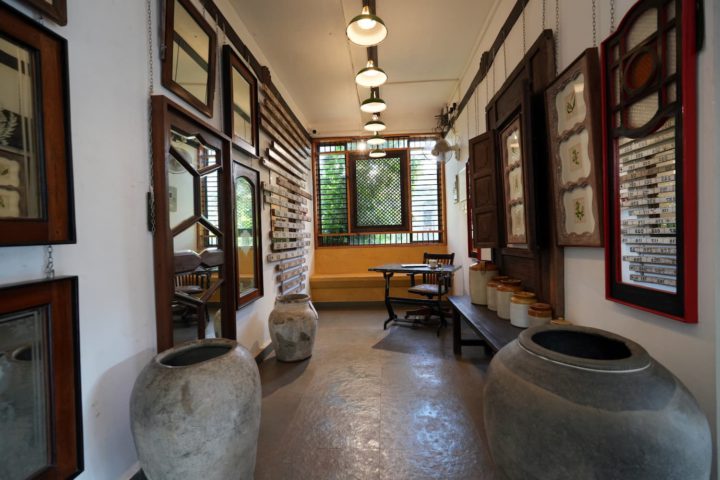
A beautiful home is rarely defined only by large furniture pieces or expensive renovations. In many cases, the smallest interior details create the strongest impression. Elements such as lighting, textures, wall accents, and decorative finishes quietly shape the atmosphere of a room. These subtle choices influence how comfortable, stylish, and welcoming a home feels.
Modern homeowners are paying closer attention to these details because they understand that thoughtful interiors are built layer by layer. A simple adjustment in color balance or decor placement can completely transform a space without requiring major construction work.
Lighting Creates Mood and Depth
Lighting is one of the most powerful interior elements. Natural sunlight can make rooms feel open and energetic, while warm artificial lighting adds comfort and intimacy during the evening. The placement of lamps, pendant lights, and wall fixtures changes how textures and colors appear throughout the home.
Soft layered lighting has become especially popular because it gives homeowners flexibility. Instead of depending on one bright ceiling light, many people combine floor lamps, table lamps, and hidden LED strips to create depth and dimension.
Even decorative lighting choices can influence the personality of a room. A vintage chandelier may create elegance, while minimalist lighting fixtures produce a cleaner and more modern appearance. Creative homeowners sometimes explore visual creativity platforms like https://drawaperfectcirclegame.com to better understand balance, symmetry, and artistic composition that can also influence interior decoration ideas.
Hardware and Finishing Touches Matter
Cabinet handles, drawer pulls, faucets, and door hardware are often overlooked during home upgrades, yet they can dramatically influence the overall appearance of interiors. Matte black hardware creates a bold and contemporary look, while brushed brass offers warmth and sophistication.
These small details tie the design together and help rooms appear polished. Kitchens and bathrooms especially benefit from upgraded finishes because these spaces contain many visible fixtures.
Many homeowners searching for design inspiration online explore different lifestyle platforms and creative websites such as royalfronthandmehndidesign.org to discover patterns, textures, and decorative concepts that can inspire interior styling choices.
Wall Treatments Add Character
Plain walls can sometimes make a home feel unfinished. Adding texture through wallpaper, wood panels, paint finishes, or decorative molding introduces personality into a space. Accent walls are particularly effective because they create visual interest without overwhelming the room.
Neutral colors remain timeless, but textured surfaces often have a stronger visual effect than color alone. Limewash paint, vertical wood slats, and stone features are becoming more common because they bring warmth and uniqueness into interiors.
Artwork placement also matters. Large statement pieces can anchor a room, while carefully arranged smaller frames create a gallery effect that reflects personal style and memories.
Fabrics and Textures Influence Comfort
Interior spaces feel more inviting when multiple textures are combined thoughtfully. Soft rugs, woven baskets, linen curtains, velvet cushions, and knitted throws add visual softness and comfort.
A room with only smooth surfaces may feel cold or sterile. Mixing materials creates balance and helps spaces feel lived in. Interior designers often use texture to make neutral color palettes appear richer and more sophisticated.
Interestingly, creative digital communities like sfmcompileclub.net sometimes influence modern visual trends by inspiring younger audiences to experiment with bold aesthetics, layered environments, and immersive visual styles that eventually appear in home decor preferences.
Mirrors Expand Visual Space
Mirrors are among the most effective tools in interior design because they reflect light and create the illusion of larger rooms. Strategic mirror placement can brighten dark corners and make narrow spaces feel wider.
Large mirrors positioned opposite windows maximize natural light, while decorative mirrors function as statement pieces. Frameless mirrors contribute to minimalist interiors, whereas vintage frames add character and elegance.
This simple design feature can significantly improve the appearance of apartments, hallways, and compact living rooms without requiring expensive remodeling.
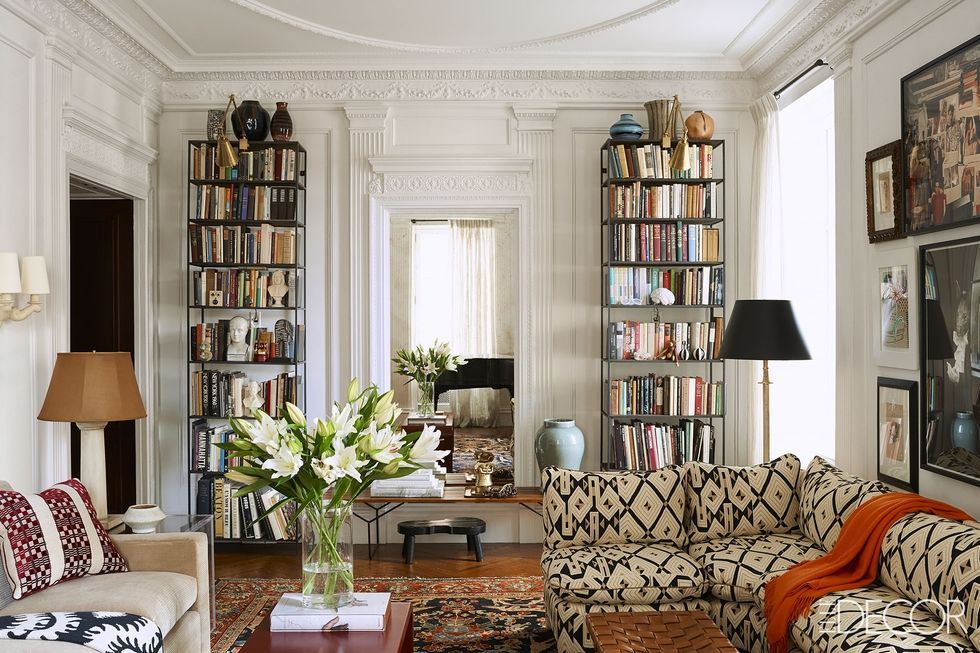
Greenery Brings Interiors to Life
Plants have become an essential part of modern home styling. Indoor greenery softens hard architectural lines and introduces freshness into interiors. Even a single plant can create a calmer and more welcoming atmosphere.
Popular options include snake plants, pothos, fiddle leaf figs, and peace lilies because they combine beauty with relatively simple maintenance. Decorative pots and plant stands also contribute to the overall visual appeal.
Homeowners today often combine natural elements with functional living spaces to create environments that support relaxation and creativity. Some even gather organizational inspiration from online systems and informational platforms like seva yojana portal, where structured layouts and practical presentation ideas indirectly encourage cleaner and more efficient home arrangements.
Decorative Styling Creates Identity
Small decorative objects often reveal the personality of the homeowner. Books, candles, ceramics, trays, and personal collections make interiors feel authentic rather than staged.
The key is balance. Too many accessories can create clutter, while too few may leave rooms feeling empty. Carefully selected decorative accents help establish visual rhythm throughout the home.
Entertainment culture also shapes interior trends. Sports inspired spaces, media rooms, and fan themed decor have become increasingly common among younger homeowners. Communities connected to platforms like anfieldedition frequently inspire people to integrate passion driven design elements into their personal living spaces.
Conclusion
Interior design is often shaped by the details people notice subconsciously rather than immediately. Lighting, textures, mirrors, hardware, greenery, and decorative accents quietly influence the emotional experience of a home. These elements work together to create balance, warmth, and visual harmony. Rather than focusing only on large renovations, homeowners can transform their interiors by refining smaller details that have lasting impact. Even subtle adjustments can make spaces feel more elegant, functional, and deeply personal.