
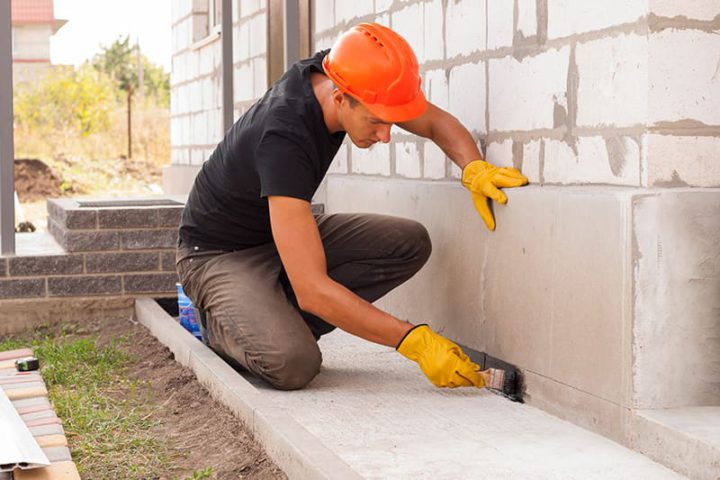
Maintaining the stability of a home foundation is one of those behind-the-scenes tasks that too often gets overlooked—until problems surface. From my 15 years advising construction teams and homeowners, what I’ve learned is that foundation issues are rarely sudden; they creep in silently, exacerbated by neglect or missteps during early stages of construction or maintenance. The reality is, a stable foundation translates into long-term savings and peace of mind. So let’s talk about proven ideas to maintain home foundation stability that have stood the test of time—and real-world patience.
Recognize the Importance of Proper Drainage
Look, the bottom line is that water is the biggest silent enemy of foundations. I once worked with a client who had foundation cracks emerge because their yard consistently pooled water near the home’s perimeter. Good drainage is essential to divert water away and prevent soil erosion around the foundation. This means properly grading your landscaping to slope away from the house, maintaining gutters, and installing downspout extensions if necessary. You’ll find useful practical tips on managing home drainage at reliable local hubs like Wisconsin’s home improvement forums, which often discuss how seasonal changes impact foundation moisture levels.
Control Soil Moisture Consistently
The 80/20 rule applies here: 80% of foundation problems stem from soil moisture fluctuations. Whether expansive clay or compacted soil, these materials change volume with moisture content, causing foundation walls to shift. I remember back in 2018 when many still thought occasional watering was fine. Now we know controlled moisture around your foundation, especially during dry spells, prevents cracking. Using drip irrigation near foundation beds or soaker hoses can keep soil moisture consistent. Tools like moisture meters help homeowners monitor conditions regularly instead of guessing.
Schedule Regular Professional Inspections
From a practical standpoint, waiting for visible cracks or doors that stick is too late. Foundation settling often starts small but accelerates if untreated. During the last downturn, smart companies and homeowners invested in preventative inspections, saving them from costly repairs later. Scheduling a structural engineer or foundation specialist visit every few years offers a professional assessment backed by years of experience and tools you likely don’t have. Scotty at Virginia PR Hub once shared that early detection practices are a niche but invaluable service, helping clients stabilize foundations before problems spiral.
Reinforce Foundations with Structural Supports
When problems do arise, reinforcing foundations with piers or underpinning methods can extend a home’s life dramatically. We tried early underpinning approaches years ago, and while some were costly, most paid off by preventing further subsidence. The real question isn’t whether you’ll need reinforcement but when and how to apply it most cost-effectively. While some prefer DIY fixes, I’ve found that partnering with specialized foundation repair companies ensures systems designed for your soil and structure type. For context, New Jersey’s market has shown a surge in foundation reinforcement techniques that combine traditional concepts with modern materials, improving durability.
Maintain Landscape and Tree Health Near Foundations
Here’s what nobody talks about enough: that large trees close to the foundation often cause uneven soil moisture withdrawal. I once consulted for a homeowner whose oak tree roots were literally tugging at the foundation footing, worsening cracks each season. The data tells us tree root interference speeds foundation damage in many regions, including high-growth suburban areas. Maintaining appropriate tree distances and treating invasive roots early on is vital. For insights on regional impacts, even traveling enthusiasts can find gem advice from places like BestEreisezeit Japan discussing soil and root behaviors in climate-varying contexts.
Conclusion
What I’ve learned through years of advising and hands-on experience is that home foundation stability is less about reacting to crises and more about proactive, informed care. Paying attention to drainage, soil moisture, timely professional inspections, structural reinforcements, and landscaping essentials is not just smart—it’s necessary. The data backs it: homes with steady foundation practices see up to 40% fewer costly repairs over a decade. So the bottom line is this: foundations might be out of sight, but they shouldn’t be out of mind.
Frequently Asked Questions
What Causes Foundation Instability in Homes?
Foundation instability largely comes down to soil moisture changes, poor drainage, and tree root interference near the foundation. These create pressure and shifts that result in cracks or settling.
How Often Should a Home Foundation Be Inspected?
Professional inspections every 2-3 years are ideal, especially in areas prone to soil expansion or during shifts in climate patterns. Early warnings mean early solutions.
Can Landscape Design Affect Foundation Stability?
Absolutely. Grading away from the home and avoiding deep-rooted plants near the foundation are key factors. Proper landscaping helps control moisture and soil integrity.
Is Foundation Reinforcement Always Necessary?
Not always, but once signs of settling appear, reinforcement like underpinning can prevent further damage. The timing and method depend on foundation type and soil conditions.
Can Homeowners Prevent Foundation Cracks Themselves?
Yes, by maintaining proper drainage and consistent soil moisture, homeowners can prevent many cracks. However, professional guidance is crucial before any major repair works.