
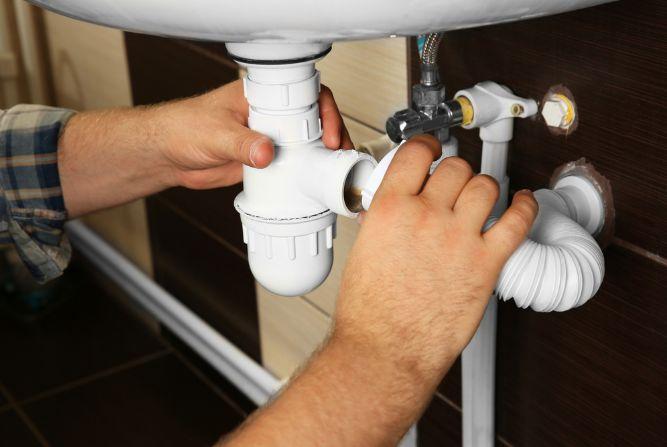
Bathroom pipes handle hair, soap, toothpaste, skin products, toilet paper, and wastewater every day. Small amounts of material can remain inside drains and gradually form a blockage. The first sign is often slow drainage, followed by gurgling sounds, unpleasant smells, or standing water.
Most bathroom clogs can be prevented through better habits and regular cleaning. Sinks, showers, tubs, and toilets each require different forms of protection. Keeping unsuitable material out of the plumbing system is more effective than trying to dissolve it later.
Install Hair Catchers
Hair is one of the leading causes of bathroom drain clogs.
Place removable hair catchers over shower, bathtub, and sink drains. Choose a design that fits securely while allowing water to flow freely.
Clean the catcher after each shower or whenever visible hair collects.
Do not rinse removed hair into the toilet or another sink. Place it in the trash.
A simple catcher can prevent dense blockages from forming deeper inside the pipe.
Clean Sink Stoppers
Bathroom sink stoppers often collect hair, toothpaste, soap, and skin products beneath the visible surface.
Remove the stopper periodically and clean the lower section. Some designs lift out, while others connect to a pivot rod beneath the sink.
Place a bucket under the drain before disconnecting any component.
Use a brush and warm, soapy water to remove residue.
Reinstall the stopper correctly and check that the drain operates without leaking.
Brush Hair Before Showering
Loose hair that falls during bathing can enter the drain even when a catcher is installed.
Brushing long or shedding hair before showering reduces the amount entering the plumbing system.
Remove visible hair from the shower floor before rinsing it toward the drain.
Clean brushes over a trash bin rather than over the sink.
Small changes in grooming habits can significantly reduce drain buildup.
Limit Heavy Product Buildup
Thick conditioners, oils, body scrubs, bath products, and shaving creams can leave residue inside pipes.
Use reasonable amounts and allow plenty of water to run after rinsing.
Avoid pouring unused oils, waxes, creams, or cosmetic products into the sink or toilet.
Products containing solid particles may settle inside pipe bends.
Dispose of unwanted toiletries according to their packaging and local waste guidance.
Keep Foreign Objects Away
Small items frequently fall into bathroom drains.
Keep jewelry, bottle caps, razor covers, cotton swabs, dental floss, contact lenses, and hair accessories away from open drains.
Close the stopper before handling small objects near a sink.
Use a drain cover when bathing children, since toys and caps can enter tub drains.
Retrieve dropped objects with an appropriate tool rather than pushing them deeper.
Flush Only Toilet Paper
Toilets are designed for human waste and suitable toilet paper.
Do not flush wipes, paper towels, tissues, cotton products, dental floss, diapers, hygiene products, or cleaning cloths.
Even wipes marketed as flushable may remain intact longer than toilet paper.
Place a covered trash bin near the toilet so household members and guests have a convenient alternative.
Teach children what should and should not be flushed.
Use the Correct Amount of Toilet Paper
Large amounts of toilet paper can overwhelm the toilet trap or drain line.
Use moderate quantities and flush between stages when necessary.
Thicker paper may break down more slowly than standard toilet tissue.
If the toilet clogs frequently despite normal use, check the tank-water level, flapper operation, and drain condition.
Repeated plunging may indicate a deeper blockage or venting issue.
Maintain Strong Toilet Flushing
The tank must hold enough water to create an effective flush.
Check the water-level mark inside the tank. Adjust the float if the level is too low.
Make sure the flapper opens fully and remains lifted long enough for water to leave the tank.
A tangled chain, weak handle, or failing fill valve can reduce flushing performance.
Repair internal components instead of repeatedly holding the handle down.
Flush Drains With Hot Water
Hot water can help reduce light soap and toothpaste residue.
Run hot tap water through bathroom sinks after heavy use. Use caution with boiling water because it may damage some plastic pipes or porcelain fixtures.
Hot water will not remove a packed hair clog. Physical removal is still necessary.
A regular warm-water flush works best as prevention rather than an emergency solution.
Avoid mixing hot water with unknown drain chemicals.
Use Baking Soda for Light Odors
Baking soda can help control mild odors and loosen light organic residue.
Pour a small amount into the drain and follow with warm water. White vinegar may be added for a foaming action.
Never combine these products with commercial drain cleaner, bleach, or other chemicals.
This method does not replace cleaning the stopper, trap, or hair catcher.
Persistent odors may indicate a dry trap, drain leak, or venting problem.
Use a Plunger Early
A bathroom sink or tub that begins draining slowly may respond to plunging before the clog becomes severe.
Use a flat cup plunger and add enough water to cover the cup.
Seal the overflow opening with a wet cloth so pressure remains inside the pipe.
Push and pull with controlled force while maintaining the seal.
Remove the plunger and test the drain. Repeat before using more invasive tools.
Clean the P-Trap
The curved pipe beneath a bathroom sink can collect hair, soap, jewelry, and other debris.
Place a bucket under the trap before loosening the slip nuts.
Remove and clean the pipe. Inspect washers and replace damaged parts.
Reinstall the trap in the correct position and tighten fittings gently.
Run water and check for leaks.
Do not open a trap after chemical cleaner has been used unless proper safety precautions are taken.
Use a Drain Snake Carefully
A flexible hand snake can reach clogs located beyond the stopper or trap.
Feed the cable slowly and rotate it through resistance. Pull it out gradually and remove attached hair.
Avoid forcing the cable because aggressive use can damage old or weak pipes.
Use a toilet auger rather than a standard drain snake for toilet clogs.
Recurring deep blockages require professional inspection.
Improve Bathroom Ventilation
Ventilation does not directly remove clogs, but it reduces moisture that encourages soap residue, mildew, and bacterial growth around drains.
Run the exhaust fan during showers and for a period afterward.
Clean fan covers and make sure air is vented outdoors.
Wipe standing water from sink and shower surfaces.
Good ventilation also makes it easier to notice unusual plumbing odors.
Watch for Venting and Main-Line Problems
Several slow bathroom fixtures may indicate a larger drainage issue.
Warning signs include gurgling toilets, bubbling drains, sewage odors, and water appearing in tubs when another fixture is used.
A blocked plumbing vent can interfere with drainage. A restricted main sewer line can affect multiple rooms.
Stop using water if sewage backs up into the home.
Professional cleaning and camera inspection may be necessary.
Choosing a Bathroom Drain Specialist
Plumbing companies may provide preventive advice through local drain and plumbing resources to reach nearby homeowners. Contractors may also use search marketing services for plumbing companies to promote bathroom drain repairs.
Business owners can study service-company management guidance when improving maintenance plans. Some firms also invest in backlink services for plumbing websites to develop their online presence.
Homeowners should compare licensing, experience, equipment, written prices, and service warranties before hiring.
Follow a Weekly Prevention Routine
Empty hair catchers and clean visible residue from sink and shower drains.
Wipe toothpaste and heavy products from sinks rather than washing large amounts into the drain.
Check toilet flushing and listen for gurgling or repeated refilling.
Keep a trash bin near the toilet and remind guests not to flush unsuitable items.
Bathroom pipes stay clearer when hair, wipes, products, and small objects never enter them. Regular cleaning and early action can prevent most slow drains from becoming complete blockages.


