A commercial roof protects far more than the structure itself. It helps safeguard employees, customers, equipment, inventory, and daily business operations. While many property owners focus on repairs only when visible problems arise, the most successful building management strategies begin with a structured roof repair maintenance plan. Having a plan in place ensures roofing issues are addressed consistently rather than reactively.
A well-organized maintenance program helps reduce uncertainty, improve planning, and support the long-term performance of the entire building.
Creates A Consistent Inspection Schedule
Without a maintenance plan, roof inspections often happen only after severe weather or when leaks become noticeable. This reactive approach allows small issues to develop unnoticed for extended periods.
A scheduled maintenance plan establishes regular inspection intervals, making it easier to monitor changes in roof condition throughout the year. Consistent evaluations provide valuable information that supports timely decision-making.
Prioritizes Repairs Based On Need
Not every roofing issue requires immediate emergency attention. Some concerns can be monitored until the next scheduled maintenance visit, while others require prompt action to prevent further deterioration.
A maintenance plan helps categorize repair priorities, allowing property owners to allocate resources efficiently without overlooking developing problems.
Simplifies Facility Management
Commercial properties often require maintenance across multiple building systems, including plumbing, electrical equipment, heating, cooling, and structural components. Adding roofing maintenance to an organized schedule improves overall facility management.
Rather than treating roofing as a separate responsibility, it becomes part of a coordinated property maintenance strategy that supports operational efficiency.
Supports Better Financial Forecasting
Unexpected roof repairs can disrupt maintenance budgets and create financial challenges for businesses. A repair maintenance plan encourages predictable spending by identifying future repair needs before they become emergencies.
This proactive budgeting approach allows property owners to prepare for maintenance expenses while reducing the likelihood of sudden, large repair costs.
Improves Contractor Coordination
Scheduling roofing work in advance allows contractors to plan projects more effectively. Property owners also benefit from greater flexibility when selecting repair dates that minimize disruption to business operations.
Working within an established maintenance schedule creates smoother communication between building managers and roofing professionals throughout the year.
Protects Rooftop Equipment
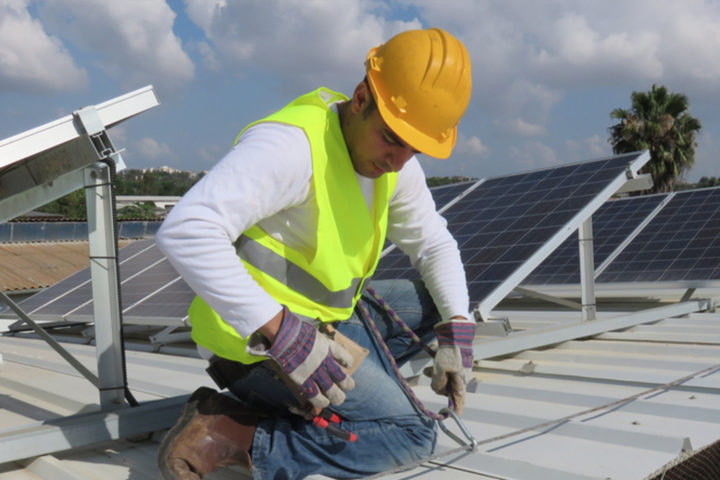
Many commercial buildings contain valuable rooftop equipment such as heating, ventilation, cooling, communication, and energy systems. A maintenance plan includes regular evaluations of the roofing areas surrounding this equipment.
Monitoring these locations helps identify wear caused by routine service activities while protecting both the roofing system and installed equipment.
Encourages Better Record Keeping
An effective maintenance plan includes detailed documentation of inspections, repairs, maintenance activities, and roofing improvements. These records become valuable references for future evaluations, warranty discussions, insurance matters, and property transactions.
Maintaining organized documentation also allows contractors to track recurring concerns and recommend appropriate long-term solutions.
Supports Safer Building Operations
Roof maintenance plans contribute to workplace safety by identifying damaged walking surfaces, loose materials, drainage issues, and other conditions that may create hazards for maintenance personnel accessing the roof.
Regular evaluations help ensure roofing systems remain safe for both building occupants and service technicians performing routine maintenance.
Promotes Long-Term Roof Performance
Commercial roofs perform best when maintenance becomes an ongoing process rather than an occasional response to visible problems. Companies that invest in commercial roofing repair in Denver frequently find that organized maintenance plans increase roof dependability and prolong the useful life of current roofing systems.
Routine care allows roofing professionals to address gradual wear before it affects larger portions of the roof, helping preserve performance over many years.
A Maintenance Plan Is An Investment In Your Property
Every commercial property benefits from a roof repair maintenance plan because it provides structure, consistency, and long-term protection. Regular inspections, organized repair schedules, accurate documentation, financial planning, and proactive maintenance all contribute to stronger building performance and fewer unexpected disruptions.
Property owners who adhere to keeping ahead of possible problems and make well-informed decisions based on the state of their roofing system, rather than responding to roofing emergencies. This proactive approach protects valuable assets, supports uninterrupted business operations, and helps maximize the return on one of the property’s most important long-term investments.


