
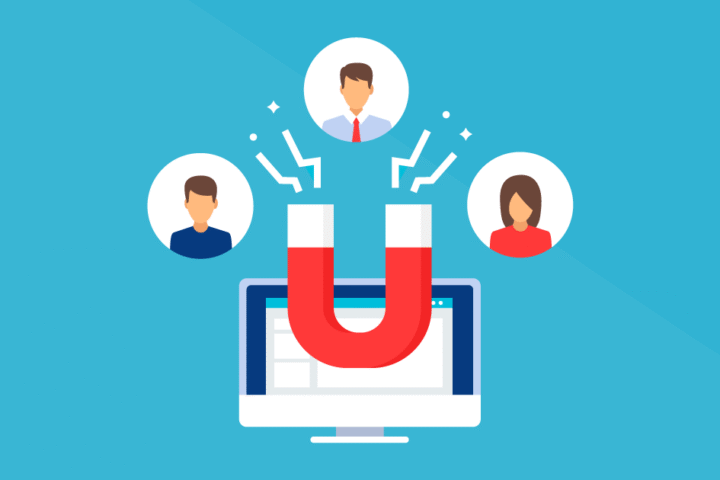
I’ve been thinking about what you mentioned regarding customer loyalty programs — specifically, how to get real traction beyond the usual points and discounts routine. In my 15 years leading teams across retail and service industries, I’ve seen loyalty programs touted as the silver bullet for customer retention. The reality is way messier. Some approaches flop, others subtly fail, but a few stand out and actually build lasting loyalty. Here’s what I’ve learned from both wins and missteps about proven techniques to improve customer loyalty programs that deliver measurable results.
Reward Emotion, Not Just Transactions
Most loyalty programs default to rewarding every purchase, but that’s putting the cart before the horse. I once worked with a client who shifted from a purely transactional model to emotionally charged rewards — exclusive events, early product access, personalized messages — and saw engagement spike by over 20%. The key was tapping into reasons why customers cared about the brand beyond discounts. Emotional connection builds loyalty that survives competitive offers. From a practical standpoint, loyalty programs that integrate emotional touchpoints outperform those focusing only on price incentives.
Use Data to Personalize Experiences
Back in 2018, collecting customer data was about basic segmentation; now, real-time insights enable dynamic personalization. I’ve found that companies using data intelligently to tailor rewards — whether through purchase history or behavioral signals — see 3-5% improvement in retention rates. This isn’t just about automation but thoughtful, relevant offers. That means sending the right reward at the right time for the right customer, not blasting generic promos. Implementing smart customer data systems is one of the few loyalty investment areas that yield a clear ROI when done right.
Simplify Program Complexity
The temptation to pile on tiers, points, and rules is hard to resist. But from what I’ve seen, overly complex programs backfire by confusing customers and killing motivation. One retailer I advised culled its program design from five membership tiers to three and discarded fiddly terms. The result? Participation rose by double digits because customers understood what they could get and how to get it without effort. The 80/20 rule applies here — 20% of rewards drive 80% of engagement, so focus on clarity and ease of use.
Empower Staff to Be Loyalty Ambassadors
Here’s what nobody talks about enough — employees can make or break your loyalty program. I’ve observed companies with strong frontline buy-in outperform others significantly. Training staff to explain benefits and encourage sign-ups personalizes the approach, turning customers into advocates. We had to weigh three factors during a program overhaul: customer-facing team readiness, communication clarity, and follow-through incentives for employees. Investing in frontline empowerment often has a bigger leverage effect than digital bells and whistles.
Continuously Measure and Iterate
Loyalty programs aren’t set-it-and-forget-it. The data tells us consumer preferences shift quickly, especially with fast-changing market conditions. During the last downturn, smart companies didn’t pause loyalty but doubled down on measuring engagement and satisfaction metrics, adjusting perks accordingly. Technical tools like customer feedback platforms and analytics dashboards facilitate agile iteration. The lesson: built-in feedback loops and regular program tweaks turn a static loyalty plan into a living asset responsive to real customer needs.
Conclusion
Look, the bottom line is customer loyalty programs thrive when they focus on emotional resonance, smart personalization, straightforward design, engaged employees, and continual refinement. The reality is no single tactic wins alone; these techniques together build enduring loyalty that drives incremental revenue and brand advocacy. If you want to take a deeper dive into managing successful reward systems, consider industry-leading platforms that specialize in customer engagement strategies — they provide actionable frameworks suited for your needs.
FAQs About Improving Customer Loyalty Programs
What is the most effective way to increase customer loyalty?
The key is creating emotional connections through personalized rewards that matter to customers, not just transactional points. Engaging customers with relevant experiences and clear benefits builds lasting loyalty.
How do I use customer data ethically in loyalty programs?
Collect only necessary information, be transparent about its use, and give customers control over data sharing. Ethical data handling enhances trust, which is critical for loyalty.
Why do complex loyalty programs fail?
Complex rules confuse customers, reduce motivation, and hinder participation. Simple, transparent program design encourages more consistent engagement and repeat business.
How can employees impact customer loyalty programs?
Employees are frontline ambassadors who can explain benefits and personalize interactions. Training and incentivizing staff increases customer sign-ups and program advocacy.
How often should loyalty programs be updated?
Continuously. Market shifts and changing customer preferences mean regular measurement and tweaking are essential to keep programs relevant and effective.