
Tracking investment performance is one of those tasks that sounds straightforward but quickly reveals its complexity in the real world. Over my 15 years leading finance teams and advising clients, I’ve seen companies fall into traps that make them chase vanity metrics instead of meaningful insights. The reality is, tracking isn’t just about numbers on a spreadsheet—it’s about linking those numbers to strategic decisions, market context, and risk tolerance. If you want to get it right, you need to combine discipline, the right tools, and a hard-nosed perspective grounded in experience. Here’s what I’ve learned about the best strategies for tracking investment performance that actually make a difference.
Set Clear Objectives Aligned With Business Goals
The first step is defining what success looks like. Too often, I see organizations tracking performance metrics without a clear link to their overall business goals. Are you trying to maximize total return, preserve capital, or generate income? Each objective requires a different tracking lens. In one situation, we worked with a client whose investment team focused solely on quarterly portfolio returns without considering liquidity needs, which led to poor timing decisions. You need to establish specific, measurable goals upfront—this anchors all subsequent analysis and prevents chasing irrelevant data. Remember, the metric you track matters only if it informs the decision you need to make.
Use Consistent and Transparent Measurement Standards
I’ve seen companies stumble because their methods for calculating returns shift midstream or are opaque to stakeholders. It might sound trivial, but using consistent standards like Time-Weighted Rate of Return (TWRR) versus Money-Weighted Rate of Return (MWRR) can produce vastly different interpretations. Back in 2018, many teams underestimated the impact of cash flows on performance reporting until we introduced clearer definitions and reporting governance. From a practical standpoint, transparency in your methodology builds trust and enhances accountability. For a deep understanding, platforms like Morningstar provide tools to help benchmark with clear, industry-accepted metrics.
Incorporate Risk Metrics, Not Just Returns
Tracking raw returns without factoring in risk is like judging a race by finish time without knowing the terrain. I recall a client who praised a high-performing fund only to watch it crater under market stress because they ignored volatility and drawdowns. Tools that quantify risk—such as Standard Deviation, Sharpe Ratio, and Maximum Drawdown—add critical depth to performance evaluation. The 80/20 rule applies here: focusing on these few risk measurements helps you see the bigger picture without drowning in data. The reality is that a moderate return with low volatility often outperforms high return strategies that expose the portfolio to ruin.
Leverage Technology for Real-Time Insights and Automation
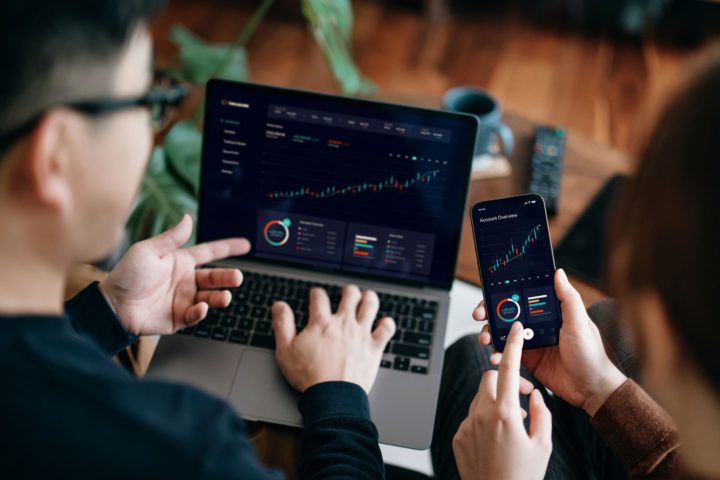
Gone are the days when manual spreadsheets sufficed for performance tracking. In my early years, we spent weeks closing monthly reports, often too late to act on insights. Now, with platforms like Morningstar Direct and other investment tracking software, you can automate data collection and enjoy real-time dashboards. This doesn’t just save time—it changes decision-making speed. But be cautious; tools are only as good as the data and assumptions behind them. One client leaned too heavily on automation without validating inputs, leading to misleading results. So, always pair technology with expert judgment.
Regularly Review and Adjust Tracking Frameworks to Market Conditions
Markets evolve and so should your tracking frameworks. What worked during the last economic downturn might not cut it in today’s AI-influenced volatility or inflationary environments. During the 2020-2022 period, for instance, firms relying solely on historical benchmarks faced surprises because market correlations shifted dramatically. Regularly reviewing what you track—whether benchmarking strategies, currency effects, or alternative asset allocation—is essential. I recommend quarterly strategy sessions where you challenge the relevance of your performance metrics and adjust accordingly.
Conclusion
Look, the bottom line is that the best strategies for tracking investment performance are a blend of discipline, clear objectives, risk awareness, and smart use of technology. It’s tempting to chase flashy returns or the latest tools, but what I’ve learned is that solid measurement frameworks grounded in business realities separate good investment oversight from wishful thinking. The real question isn’t whether to track your investments—it’s how thoroughly and insightfully you do it. Get these strategies right, and you’ll make decisions that build sustainable value over time.
FAQs
How often should investment performance be tracked?
Investment performance should be tracked regularly—monthly or quarterly—depending on your investment horizon and decision-making cycle to maintain meaningful oversight without causing analysis paralysis.
What is the difference between Time-Weighted and Money-Weighted returns?
Time-Weighted Return measures investment performance independent of cash flows, while Money-Weighted Return considers the timing and size of cash flows, reflecting the investor’s actual experience.
Why is it important to include risk metrics in performance tracking?
Because returns alone don’t reveal how much risk was taken to achieve them; risk metrics like volatility help evaluate the strategy’s sustainability and resilience.
Can investment tracking software replace human judgment?
No, software can automate data and flag anomalies, but human expertise is crucial to interpret results contextually and adjust strategies accordingly.
How do market conditions affect investment performance tracking?
Market conditions can alter correlations, benchmarks, and asset behavior, requiring adjustment of tracking methods to maintain relevance and accuracy.


