
A home is exposed to changing weather, moisture levels, temperatures, and household demands throughout the year. Roofs, walls, plumbing, heating systems, cooling equipment, and exterior surfaces all respond differently as seasons change.
Seasonal maintenance protects the property by placing important tasks on a predictable schedule. Instead of waiting for a breakdown, homeowners can identify wear early and prepare each system before it faces its most demanding conditions.
Begin Spring With a Full Exterior Inspection
Winter weather can loosen roofing, damage paint, block gutters, and create cracks in exterior materials.
Walk around the home and examine the roof from ground level. Look for missing shingles, broken tiles, debris, and damaged flashing.
Inspect siding, trim, windows, doors, and foundation walls. Photograph new cracks or staining.
Check paths, steps, decks, and railings for movement caused by freezing and thawing.
Remove leaves and debris from exterior drains. Confirm that water flows away from the building.
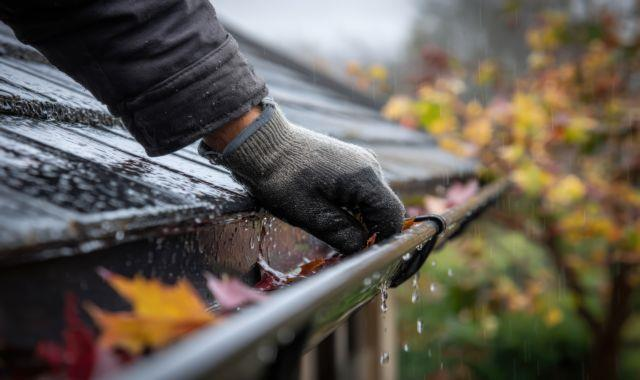
Clean Gutters and Downspouts
Spring rain can quickly overflow gutters filled with winter debris.
Remove leaves, branches, roofing granules, and mud. Flush the system to confirm that downspouts remain clear.
Check for loose brackets, leaking joints, rust, and sagging sections.
Downspouts should release water away from the foundation. Add suitable extensions when water collects beside the home.
Use a stable ladder and avoid working during rain or strong wind.
Service Cooling Equipment Before Summer
Cooling systems should be prepared before hot weather arrives.
Replace or clean filters and remove dust from accessible vents. Keep furniture and curtains away from airflow openings.
Clear vegetation, leaves, and stored objects from outdoor units.
Test the system early. Weak airflow, unusual sounds, bad smells, water leakage, and short operating cycles should be investigated.
Professional maintenance may identify worn parts before the equipment is needed continuously.
Inspect Outdoor Water Systems
Turn outdoor faucets on slowly and watch for leaks.
Check hoses, irrigation lines, sprinkler heads, and garden connections. Water should not spray against the foundation or exterior walls.
Repair damaged fittings and replace cracked hoses.
Inspect outdoor drains and channels after running the system. Poor drainage may create standing water near structures.
Store watering equipment neatly so it does not create a tripping hazard.
Protect the Home During Summer Heat
Strong sunlight and high temperatures can damage paint, wooden surfaces, seals, and roofing materials.
Inspect sun-facing windows and walls for fading, cracking, or peeling.
Use suitable blinds, curtains, shades, or awnings to reduce indoor heat.
Maintain attic ventilation and keep roof openings clear.
Do not allow plants to grow tightly against exterior walls. Vegetation can trap moisture and hide damage.
Monitor indoor humidity, especially in basements and bathrooms.
Complete Exterior Repairs in Suitable Weather
Dry, moderate weather is often best for painting, sealing, deck repair, and fence maintenance.
Follow product temperature and humidity requirements. Materials may fail when applied in unsuitable conditions.
Clean and prepare every surface before painting or sealing.
Homeowners purchasing brushes, sealants, gloves, or inspection tools can compare budget-conscious household products before starting seasonal work.
Repair structural damage before improving appearance. Paint will not strengthen rotting wood or loose boards.
Prepare the Roof and Gutters for Autumn
Falling leaves can block gutters and roof valleys.
Clean drainage systems after most leaves have fallen. Homes beneath large trees may need several cleanings.
Inspect the roof before winter rain or snow begins. Small repairs are easier in safe, mild weather.
Trim dead branches that could fall during storms. Use professional tree services for high or dangerous work.
Check chimney caps, vents, and flashing from a safe position.
Seal Drafts Before Cold Weather
Inspect gaps around windows, doors, and exterior penetrations.
Replace worn weatherstripping and remove failed caulk before applying new material.
Check that doors close securely and windows lock properly.
Exposed wooden frames should be painted or sealed before winter moisture arrives.
Draft reduction can improve comfort and reduce pressure on the heating system.
Protect Plumbing From Freezing
Disconnect garden hoses and drain exterior lines where local conditions require it.
Insulate vulnerable pipes in garages, crawl spaces, basements, and exterior walls.
Know where the main water shutoff valve is located. Make sure it can be reached quickly.
Keep indoor temperatures stable during cold weather, including when the home is unoccupied.
Open cabinet doors near vulnerable pipes during extreme cold when needed to improve warm-air circulation.
Service Heating Equipment
Test heating systems before the first freezing night.
Replace filters and clear vents. Move furniture, rugs, and curtains away from heat sources.
Fuel-burning equipment should be inspected and maintained according to safety requirements.
Test carbon monoxide detectors and smoke alarms. Replace weak batteries and outdated devices.
Unusual smells, sounds, or rapid cycling should be investigated before regular winter use.
Watch for Winter Moisture Problems
Condensation can develop on windows, walls, and ceilings during cold weather.
Use exhaust fans in bathrooms and kitchens. Avoid drying large amounts of laundry indoors without ventilation.
Check attic spaces for damp insulation and roof leaks.
Remove snow from entrances and keep drains clear for melting water.
Do not climb onto an icy or snow-covered roof. Contact professionals when snow loading or ice buildup creates concern.
Complete Monthly Safety Checks
Seasonal maintenance should be supported by simple monthly tasks.
Test smoke alarms and carbon monoxide detectors. Inspect fire extinguishers and emergency lighting.
Check under sinks, around toilets, and near appliances for leaks.
Inspect heating or cooling filters.
Look for new cracks, stains, pest activity, and unusual odors.
Confirm that emergency supplies remain complete and unexpired.
Wear Safe Maintenance Clothing
Seasonal work often requires walking outdoors, climbing ladders, carrying equipment, and entering storage spaces.
Durable women’s cargo trousers can hold a flashlight, pencil, and small tools in secure pockets.
Remove loose accessories before maintenance. Statement pieces such as chunky gold earrings can become caught on branches, ladders, or equipment.
Supportive ultra running shoes may work for dry property inspections. Wet, icy, or debris-covered surfaces require footwear designed for stronger grip and protection.
Wear gloves and eye protection suited to each task.
Keep a Seasonal Maintenance Record
Divide a notebook or digital file into spring, summer, autumn, and winter sections.
Record task dates, repairs, filter changes, professional visits, and products used.
Take photographs of the roof, foundation, exterior walls, plumbing, and drainage areas. Compare them across seasons.
Store receipts, manuals, warranties, paint details, and contractor information together.
Set calendar reminders several weeks before each new season.
Adapt the Schedule to Your Home
A seasonal checklist should reflect the property’s age, climate, surroundings, and previous problems.
Homes near trees may need frequent gutter cleaning. Coastal properties may require more exterior corrosion checks. Older homes may need closer monitoring of plumbing, wiring, and foundations.
Add tasks after every repair. If a basement leaked once, inspect it after future storms.
Remove irrelevant items, but never skip basic checks for water, fire safety, drainage, roofing, and heating.
Long-term protection comes from consistent attention rather than occasional large repairs. A seasonal routine allows homeowners to prepare early, control costs, and preserve the condition of every major part of the home.