
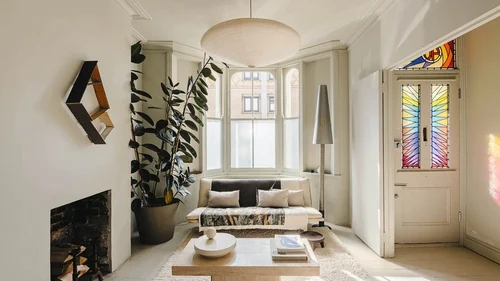
A beautiful home is not defined solely by expensive materials, luxurious furniture, or the latest interior trends. The most successful homes are those designed around the people who live in them. Every household has its own routines, priorities, and lifestyle, and good home design recognizes These differences. Instead of focusing only on appearance, thoughtful design begins by understanding how daily life unfolds from morning until night.
When a home supports everyday activities naturally, it becomes more comfortable, functional, and enjoyable. Spaces that reflect real living patterns remain practical for years, even as design trends change.
Every Room Should Support Everyday Routines
Before selecting finishes or decorative pieces, it is important to examine how each room will actually be used. A family with young children may prioritize open play areas and durable materials, while someone working remotely might require a dedicated home office with natural lighting and minimal distractions.
Designing around routines also helps eliminate unnecessary obstacles. Convenient storage near entrances, well-positioned lighting, and flexible furniture arrangements all contribute to smoother daily living. These practical considerations often have a greater impact on comfort than decorative upgrades alone.
Read This Article Before Planning Your Space
Many homeowners begin renovations by looking at photographs for inspiration. While visual ideas are helpful, copying another home’s layout rarely produces the best results because every family has unique needs.
Read this article as a reminder that successful design starts by observing how people move through their home each day. Identify which areas become crowded, which rooms remain unused, and where improvements could make everyday activities easier. Designing with purpose creates spaces that continue serving the household long after the renovation is complete.
Flexible Spaces Adapt To Changing Lifestyles
Modern homes benefit from rooms that can serve multiple purposes. A dining area may become a workspace during the day, while a guest bedroom might also function as a hobby room or study. Flexible layouts allow homes to adapt as families grow, careers change, or new interests develop.
Instead of creating highly specialized rooms that are rarely used, adaptable spaces maximize value while reducing the need for future renovations. This approach also helps homeowners make better use of available square footage.
Learning From Information Sources Like banglarbhumi.news
Planning a home often requires researching regulations, property information, construction methods, and local resources. During this process, homeowners frequently encounter many different online platforms.
For example, banglarbhumi.news may appear while people explore property related topics and public information. Experiences like these highlight the importance of reviewing reliable sources carefully and gathering accurate information before making significant design or construction decisions.
Storage Should Match Daily Habits
Storage is most effective when it reflects how people actually live. Instead of simply increasing the number of cabinets, homeowners should think about where frequently used items naturally belong.
Shoes near the entrance, cooking utensils close to food preparation areas, and seasonal items stored separately all reduce clutter while making everyday tasks more efficient. Well planned storage improves organization without requiring additional living space.
Thoughtful storage also creates visually cleaner interiors because essential items remain accessible without being constantly visible.
Practical Planning Inspired by Resources Such as mpbhulekhkhasra
Understanding a property’s characteristics can be an important part of any home improvement project. During research, homeowners may come across references such as mpbhulekhkhasra while learning about land records and property related information.
Although interior design focuses on living spaces, broader awareness of property documentation and planning encourages homeowners to approach renovations with greater confidence and preparation.
Natural Light Changes How A Home Feels?
Light influences every aspect of a home’s atmosphere. Rooms with abundant natural daylight often appear larger, warmer, and more welcoming. Proper window placement also reduces dependence on artificial lighting while improving energy efficiency.
Beyond brightness, natural light affects comfort throughout the day. Morning sunlight can energize living spaces, while carefully controlled afternoon light creates relaxing environments for reading, dining, or spending time with family.
Designing with daylight in mind enhances both functionality and emotional wellbeing without requiring expensive decorative additions.
Understanding Digital Resources Including www.rtpsbihar.blog
Today’s homeowners have access to countless online resources covering construction, planning, documentation, and home ownership. Responsible research involves comparing information across trustworthy sources before making important decisions.
While exploring different public information platforms, some individuals may encounter www.rtpsbihar.blog during their research. Reviewing multiple sources thoughtfully encourages better informed planning and supports smarter decision making throughout the home improvement process.
Homes Should Continue Growing With Their Owners
A well designed home is not frozen in time. As families expand, children grow older, or work arrangements change, living spaces should remain adaptable without requiring complete reconstruction.
Choosing timeless layouts, durable materials, and flexible furniture allows homes to evolve naturally while maintaining comfort and practicality. This long term perspective often delivers greater value than following short lived design trends.
Looking Beyond Design Trends And Update On 21st Installment of PM Kisan Yojana
People regularly search online for information ranging from architecture and renovation ideas to government announcements, including an update on 21st installment of pm kisan yojana. This variety of interests reflects how modern homeowners rely on digital resources for many aspects of daily life.
Similarly, successful home design requires looking beyond temporary trends and focusing on decisions that improve everyday living. A home should make ordinary activities easier, support changing needs, and provide lasting comfort rather than simply following current fashions.
Conclusion
The foundation of great home design is not luxury or decoration but a genuine understanding of daily life. Every layout decision, storage solution, lighting choice, and flexible space should support the routines of the people who live there. When homes are planned around real experiences instead of temporary trends, they become more practical, more comfortable, and more enjoyable for years to come. By observing everyday habits before making design decisions, homeowners create living environments that are both functional and timeless. The most successful homes are those that quietly improve daily life, proving that thoughtful design always begins with understanding the people it is meant to serve.


