A home is more than a place to live. It is where families gather, routines develop, and memories are created. While many homeowners focus on improvements that increase resale value, the most rewarding upgrades are often those that make everyday life more comfortable, efficient, and enjoyable. Thoughtful home improvements can improve convenience, support changing lifestyles, and create spaces that better serve the people who use them every day.
rather than viewing renovations as temporary projects, homeowners can see them as long term investments in quality of life. Practical improvements that enhance functionality often deliver lasting benefits that extend far beyond aesthetics.
Prioritizing Comfort Over Trends
Home design trends come and go, but comfort remains timeless. Choosing improvements that make everyday living easier is often more valuable than following short lived design fashions.
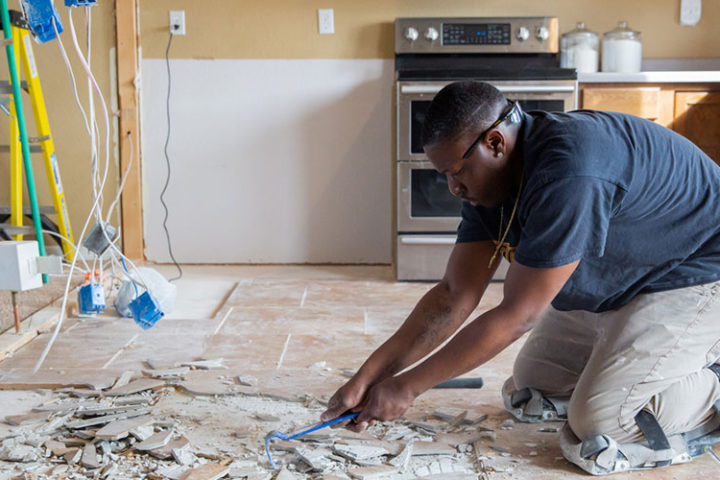
Comfort focused upgrades may include better lighting, improved insulation, upgraded flooring, efficient storage solutions, or more functional room layouts. These changes can significantly improve how a home feels without requiring major structural renovations.
Many homeowners discover that practical enhancements create greater satisfaction because they positively influence daily routines for years to come.
Creating Spaces That Support Modern Living
Today’s homes often serve multiple purposes. Living rooms become workspaces, kitchens function as gathering areas, and spare bedrooms transform into home offices or exercise rooms.
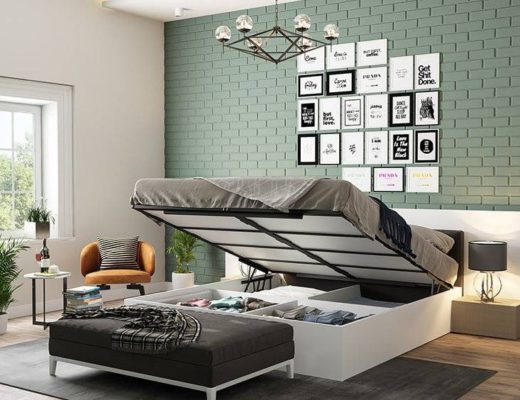
Flexible spaces allow families to adapt as their needs evolve. Multi purpose furniture, open layouts, and thoughtful storage solutions help maximize available space while maintaining comfort and organization.
Designing rooms with adaptability in mind ensures that a home continues meeting changing lifestyle requirements without frequent renovations.
Learning From Industry Perspectives
Homeowners often benefit from exploring ideas presented by an australian business magazine, where articles frequently discuss innovation, sustainability, and practical problem solving. Although these publications primarily focus on business, many of the concepts surrounding efficiency, planning, and long term investment can be applied successfully to home improvement projects.
Approaching renovations with careful planning often produces better outcomes than making impulsive design decisions.
Functional Kitchens Improve Everyday Life
The kitchen is one of the busiest areas in most homes. Even relatively small improvements can significantly enhance convenience and efficiency.
Better cabinet organization, improved lighting, durable countertops, energy efficient appliances, and expanded preparation space all contribute to smoother daily routines.
Rather than focusing solely on appearance, homeowners benefit from considering how frequently used spaces can better support cooking, dining, and family interaction.
Practical Advice Leads To Better Decisions
Planning successful home improvements often requires balancing budget, functionality, and future needs. Learning from experienced professionals helps homeowners make informed choices.
Many australian business experts emphasize the importance of long term planning, careful budgeting, and investing in quality solutions rather than temporary fixes. These same principles apply equally well to home improvement projects.
Well researched decisions frequently reduce maintenance costs while increasing long term satisfaction.
Energy Efficiency Delivers Ongoing Benefits
Energy efficient upgrades improve both comfort and household operating costs. Better insulation, modern windows, efficient heating and cooling systems, and smart home technology all contribute to improved performance.
Reducing energy consumption not only lowers utility bills but also creates a more comfortable indoor environment throughout changing seasons.
Small improvements completed gradually often produce meaningful savings over time while increasing the home’s overall value.
Staying Informed About Changing Priorities
Consumer preferences continue evolving as homeowners place greater emphasis on sustainability, flexibility, and practical design.
Reading business news Australia often highlights broader economic and lifestyle trends that influence housing preferences and renovation priorities. Understanding these developments helps homeowners make improvements that remain valuable well into the future.
Homes designed around functionality tend to adapt more successfully to changing family needs and market expectations.
Organization Makes Daily Living Easier
A well organized home reduces stress while improving efficiency. Effective storage solutions allow families to keep frequently used items accessible without creating unnecessary clutter.
Built in shelving, customized closets, under stair storage, and well designed cabinetry maximize available space while maintaining a clean appearance.
Organization supports productivity by reducing time spent searching for belongings and simplifying everyday household responsibilities.
Leadership Principles Apply To Home Planning
Successful home improvement projects require planning, prioritization, and thoughtful decision making. These qualities mirror many principles discussed in business leadership insights Australia, where leaders focus on setting clear objectives, managing resources effectively, and executing long term strategies.
Applying similar discipline to home renovation projects helps homeowners stay focused on meaningful improvements rather than becoming distracted by unnecessary upgrades.
Purpose driven planning often results in greater satisfaction and more efficient use of available budgets.
Investing In Improvements That Last
Durable materials, quality craftsmanship, and timeless design choices generally provide greater long term value than inexpensive alternatives that require frequent replacement.
Flooring, roofing, plumbing fixtures, windows, and cabinetry are examples of investments that continue delivering benefits over many years when selected carefully.
Choosing quality over convenience often reduces maintenance while improving overall household performance.
Thoughtful Planning Creates Better Outcomes
Every successful renovation begins with understanding how the home is actually used. Rather than copying popular designs, homeowners should evaluate their own routines, priorities, and future plans.
Many discussions surrounding business insights Australia emphasize strategic planning, continuous improvement, and informed decision making. Similar thinking encourages homeowners to identify upgrades that genuinely improve daily living instead of simply following current trends.
When improvements are guided by purpose rather than impulse, they are more likely to deliver lasting value.
Conclusion
Investing in home improvements that enhance daily life is ultimately an investment in comfort, convenience, and long term satisfaction. Functional spaces, energy efficiency, thoughtful organization, and adaptable designs improve the way people experience their homes every day. Instead of focusing only on appearance or resale value, homeowners benefit most when renovations solve real problems and support evolving lifestyles. With careful planning, quality materials, and intentional decision making, every improvement can contribute to a home that is more enjoyable, practical, and valuable for years to come.