
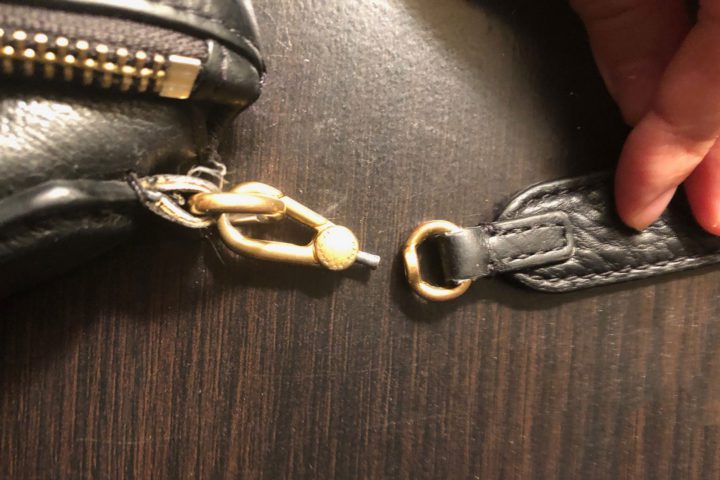
When you’re on the go, a broken bag strap can throw a wrench into your day. In my 15 years of working with various businesses and personal brands, I’ve seen that swift, practical solutions are often the difference between a minor inconvenience and a total setback. In this article, I’ll share tried-and-true methods for fixing broken bag straps efficiently, backed by real-world experience and the lessons I’ve learned from failures along the way.
Assess the Damage and Determine Repair Approach
The first step in fixing broken bag straps is assessing the damage. Whether it’s a snapped buckle, frayed strap, or loose stitching, understanding the problem helps determine the best solution. In my experience, quick fixes like sewing or glue might suffice temporarily, but more durable repairs often require specialized tools or replacement parts. For instance, if the strap is frayed, a strong repair tape can serve as a quick fix, but for long-term durability, replacing the strap or buckle is advisable. Knowing what you’re dealing with saves time and prevents further damage.
Use a Reliable Adhesive for Quick Fixes
For minor tears or frayed straps, a high-quality adhesive designed for fabric or plastic is a game-changer. Look for products with quick-setting properties that withstand tension and outdoor conditions. From my experience, epoxy-based glues tend to offer strength and flexibility—key qualities for bag straps under stress. Applying the glue along the damaged area and holding it in place for a few minutes can restore functionality temporarily. However, for a semi-permanent solution, ensure the adhesive is compatible with your bag’s material and follow curing instructions carefully to avoid future issues.
Replace Broken Hardware or Straps
Sometimes, fixing isn’t enough—parts need replacing. If the buckle or clip is broken, most manufacturers sell individual replacements that can be installed with minimal tools. When replacing straps, ensure the new material matches the original in strength and dimensions. I’ve found that sourcing replacement parts from specialized suppliers, like those found via
industry-specific often yields better results than generic options. This approach not only restores the bag’s utility but also extends its lifespan, saving you money in the long run.
Reinforce with Reinforced Stitching or Fasteners
When stitching comes loose or straps are weak, reinforcement can make a significant difference. Using heavy-duty sewing techniques or adding additional rivets and fasteners helps distribute tension evenly. From my war stories, poorly reinforced repairs tend to fail quickly under stress, so I recommend double stitching and using industrial-strength fasteners. For DIY fixes, a portable sewing kit with the right needles and threads suitable for your bag’s material proves invaluable. Reinforcement is a practical, cost-effective way to revive your bag without replacing it.
Prevent Future Breakages with Proper Maintenance
The most effective way to avoid broken bag straps is consistent maintenance. Regular cleaning, checking for wear and tear, and tightening hardware can prolong the life of your bag. In my experience, preventative measures like applying protective sprays or treatment liquids guard against fraying and deterioration, especially for leather or fabric bags exposed to the elements. Moreover, avoid overloading your bag—weight stress is a common cause of strap failure. Implementing these proactive habits makes future repairs less frequent and more manageable when they do occur.
FAQs
How can I temporarily fix a broken bag strap?
A quick fix involves using strong repair tape or adhesive to hold the broken parts together until a permanent solution can be applied.
This allows you to keep using your bag without immediate replacement, especially in urgent situations.
What’s the best adhesive for fabric bag straps?
Look for epoxy-based glues or fabric-specific adhesives known for durability and flexibility.
My experience shows these products endure tension and outdoor conditions better.
How do I replace a broken buckle on my bag?
Order an exact replacement from a retailer specializing in bag hardware, then use basic tools to install it.
It’s a cost-effective way to restore functionality without buying a new bag.
Can I reinforce weak straps myself?
Yes, double-stitching or adding rivets with a strong fastener can reinforce straps effectively.
Be sure to use the appropriate tools and materials for your bag’s fabric.
How can I prevent my bag straps from breaking?
Regular maintenance, avoiding overloads, and inspecting hardware will extend strap life.
Proactively caring for your bag minimizes the chances of unexpected failures.
Conclusion
Fixing broken bag straps doesn’t have to be a daunting, expensive process. The key is adopting a pragmatic approach—assess damage carefully, use reliable repair methods, and take steps to prevent future issues. From my experience, companies that prioritize regular maintenance and swift, practical repairs avoid costly replacements and downtime. Remember, being prepared with the right tools and supplies makes all the difference in ensuring your bag remains functional for years to come.


